
Timber
Explore our range of timbers, from structural glulam species to native and exotic timbers for non-structural applications, and find the right fit for your project.
NOTE: Lead times and availability vary for timber options. Please get in touch with us to discuss your requirements.
-
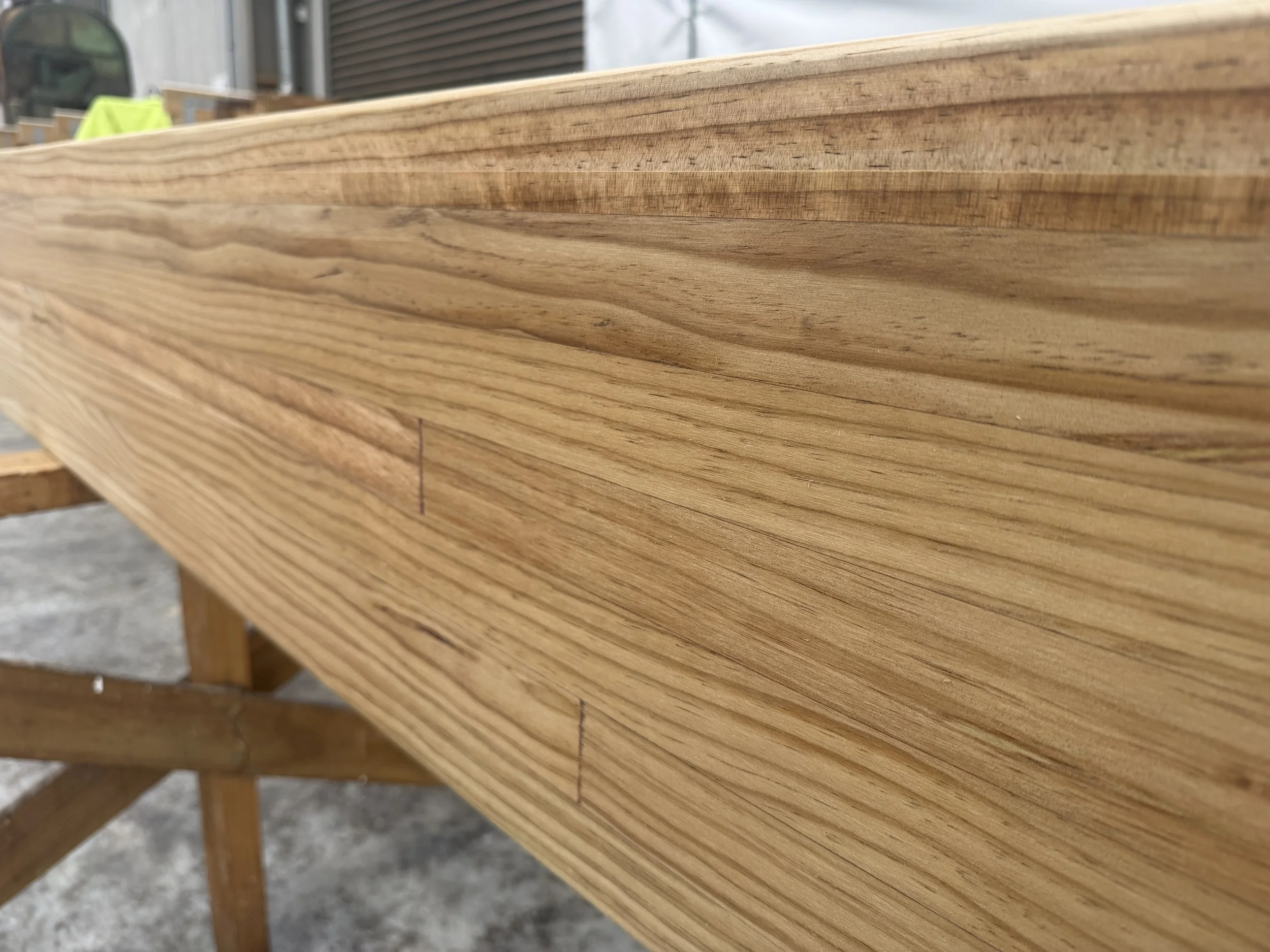
New Zealand Pine
Sourced from New Zealand’s extensive range of commercially grown plantation forests. Milled, treated and dried locally, pine is the go-to solution for most laminated timber construction.
UT, H1.2, H3.2 or H5 treatments.
Available in GL8, GL10 & GL12 strength grades.
-
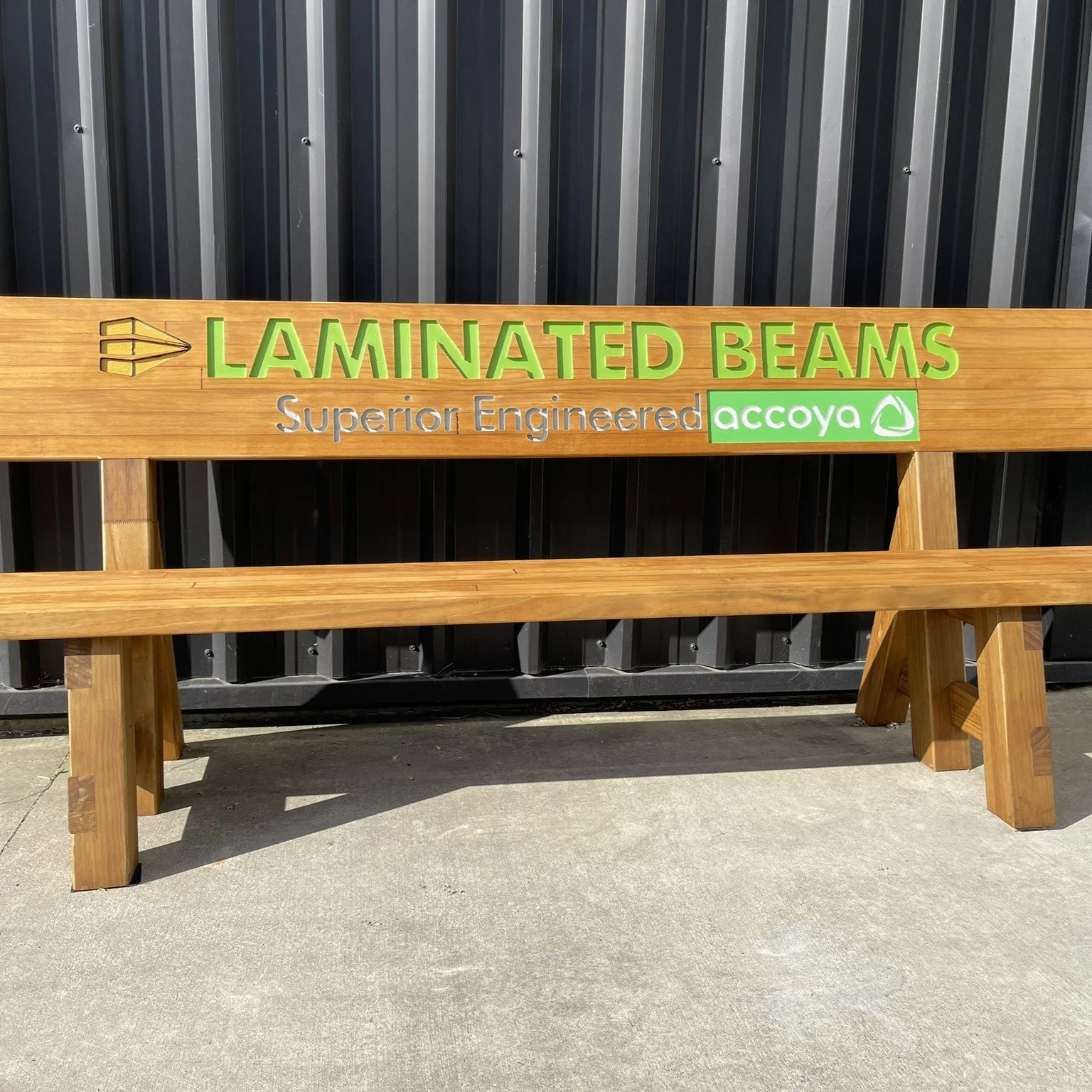
Accoya
Accoya is an ultra-high performance sustainable wood used where aesthetics, low maintenance and durability are crucial. Ideal for high end architectural finishes and outdoor structures.
Available in GL10 strength grade.
-
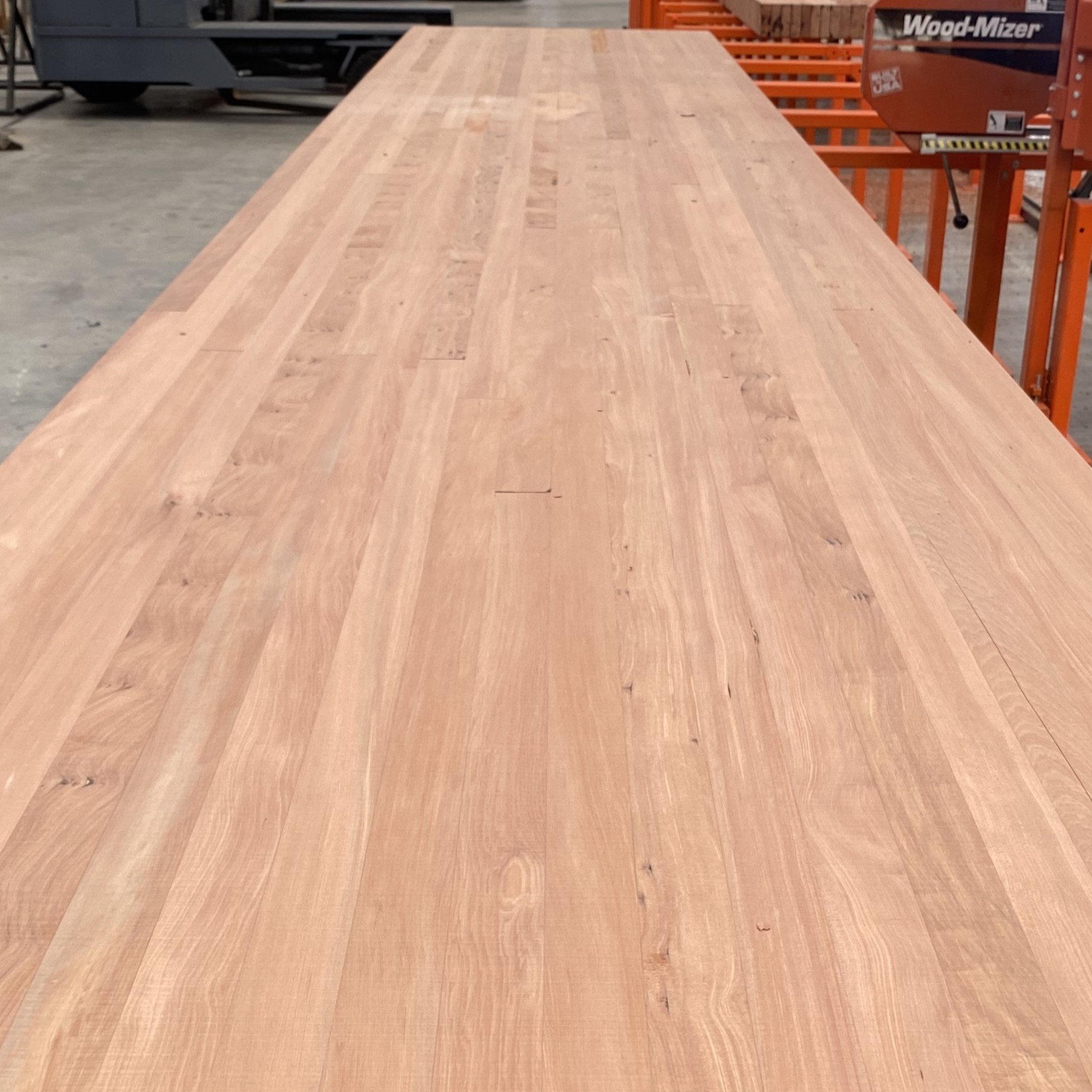
Tōtara
Tōtara is a premium, naturally durable NZ native timber. Ideal for cultural projects, like amo & maihi, and custom carving solutions.
Untreated.
For non-structural applications.
Accoya

Accoya is an excellent choice for high-end architectural laminated beams or posts because its unmatched dimensional stability and class-leading durability ensure straight, flawless structures that will not twist, rot, or degrade.
Architects, high-end builders and carvers favor it for structural and aesthetic glulam applications.
Why Accoya excels for laminated beams & posts
Zero twisting or warping: The acetylation process prevents the wood from absorbing water. Laminated beams remain completely straight and stable over time, which is critical for maintaining precise architectural lines.
Flawless, long-lasting finishes: Because the timber does not shrink or swell (Accoya absorbs up to 80% less water than normal pine), any applied coatings, paints, or translucent stains do not crack or peel. Maintenance intervals for expensive architectural finishes are extended by up to two standard cycles.
Invisible, ultra-strong glue lines: Wood movement is the primary cause of checking and delamination in laminated beams. Accoya’s stability places minimal stress on adhesive bonds, ensuring the structural integrity of the lamination remains permanently secure.
Ground-contact durability: It achieves a Class 1 durability rating. This makes it highly resistant to rot, decay, and insect attacks, allowing architectural posts to be placed directly into the ground or exposed to harsh weather without degradation.
Non-toxic and sustainable: Unlike traditional pressure-treated timber, Accoya contains no heavy metals or toxic chemicals. It is fully sustainable and safe to handle, aligning perfectly with modern green building certifications.
The science that gives Accoya its stability
Accoya timber resists water absorption because it undergoes a molecular modification process called acetylation, which replaces the wood's water-loving hydroxyl groups with water-repelling acetyl groups. This process permanently alters the cellular structure, reducing the wood's ability to absorb moisture by roughly 80%.
The science:
Unmodified wood: Ordinary wood naturally contains an abundance of "free hydroxyl groups" within its cell walls. These molecules are hydrophilic (water-attracting), which causes wood to absorb moisture, swell, shrink, and rot.
The acetylation process: Accoya (commonly sourced from Radiata Pine) is treated with acetic anhydride (a highly concentrated, non-toxic form of vinegar) under specific heat and pressure.
The chemical reaction: The acetic anhydride chemically reacts with the hydroxyl groups, transforming them into acetyl groups.
Because water molecules cannot bind to acetyl groups, moisture is unable to penetrate the cell walls. This keeps the timber highly dimensionally stable meaning it won't swell, shrink, or warp. Additionally, fungi and insects no longer recognize the modified wood as a food source, which provides exceptional rot resistance.
For more information, visit Accoya NZ website
Tōtara
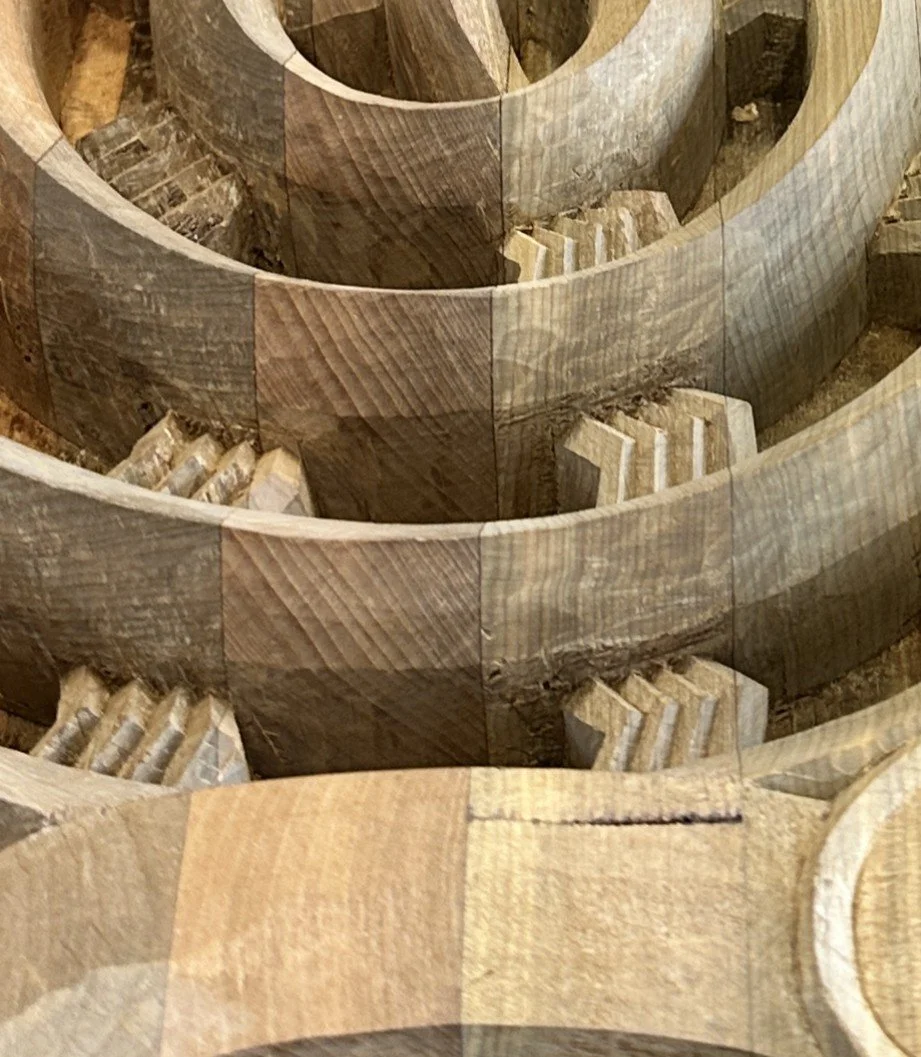
Tōtara is one of New Zealand's most valued native timbers, prized for its durability, rich character, and cultural significance. For generations, it has been used in marae and wharenui construction, and a favourite for traditional Māori carving.
The challenge: Large old-growth logs are increasingly rare, making wide, defect-free lengths of solid tōtara hard to source.
The colution: Laminating tōtara into panels, beams, and carving blocks:
Maximises use of available timber
Delivers the sizes needed for modern projects and traditional carving
Combines opposing grain orientations to arrest radial cracking and minimise checking as timber dries
Removes knots and defects during manufacture for cleaner, more stable stock
Retains the warmth, character, and cultural significance of solid tōtara
Carving experience: Very similar to solid timber, just a little extra care needed across glue lines where grain direction changes.
Ready to start your project?
We offer a range of grades and can manufacture to any size. Tōtara often has long lead times, so get in touch as early as possible.
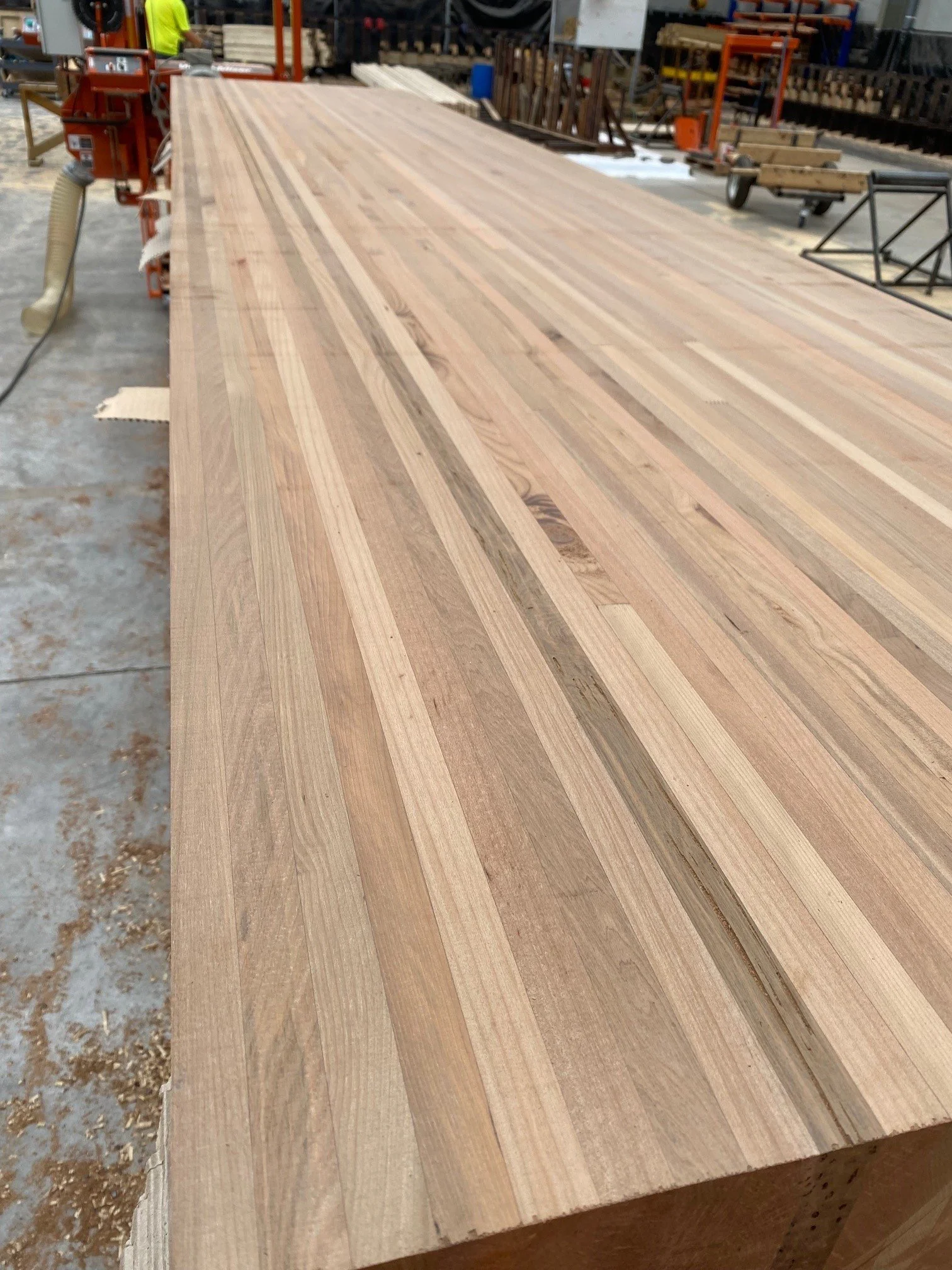
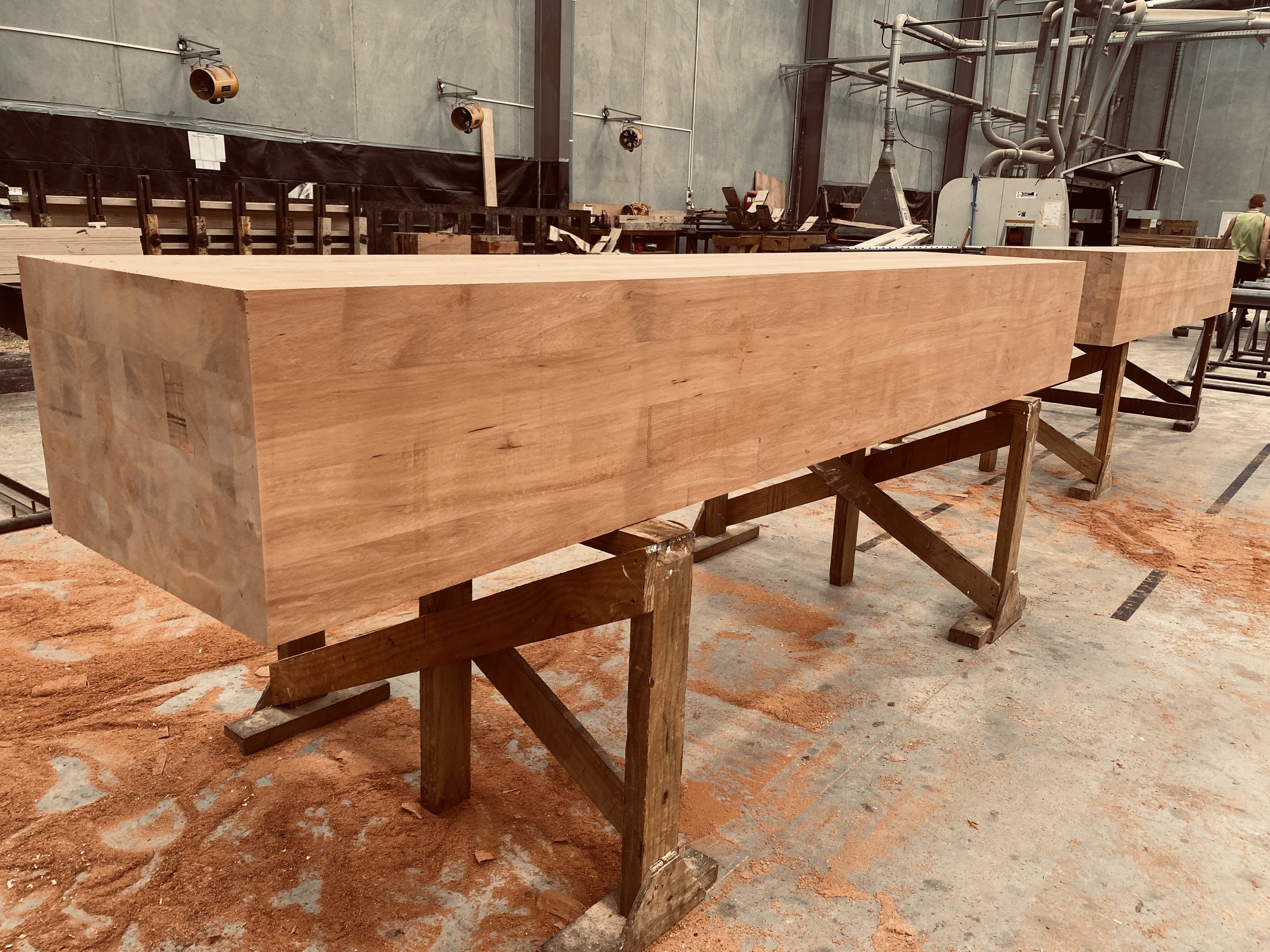
Native and exotic timbers
From native favourites like Macrocarpa, to exotic species such as Sugi (Japanese Cedar), American White Oak and European Oak, we can laminate a wide range of timbers to suit decorative applications.
Structural grading is a rigorous process. To certify a beam or post as structurally graded, we're required to test and certify the timber's characteristic properties, including finger joint strength, glue line integrity, and durability, across a high number of sample pieces. This level of testing makes sense for high-volume structural products, but isn't cost-effective for smaller runs, which is why native and exotic timbers are supplied without structural grading.
That doesn't mean any compromise on quality. We use the same trusted gluing processes as our structural products, and test key properties in-house to ensure every glue line meets our standards for strength and integrity.